
Sector 6 of 7 · Priority sector · November 2026
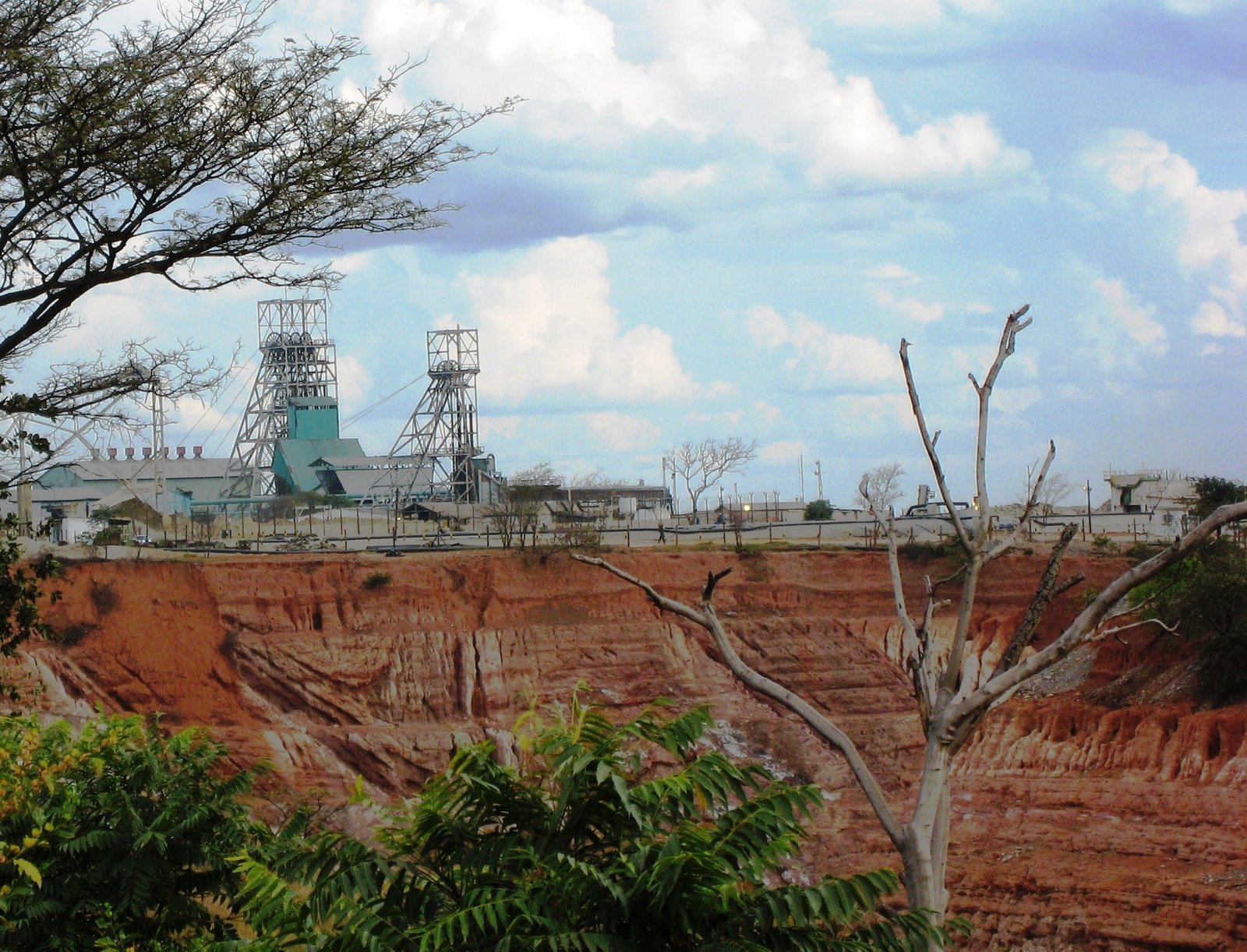
Copper output is flat this year, but the government is aiming for 3 million tonnes by 2031, backed by large mine expansions.
Last updated: November 2026 (Zambia Business Brief, issue 2026-11; sources checked 30 October – 2 November 2026)
Key figures
890,346 t
Copper produced in 2025
Metals and Minerals Country Compact
663.0k t
Refined copper exports in January–September 2026, +6.3%
ZamStats, The Monthly
3m t
Target for annual copper output by 2031
Metals and Minerals Country Compact; President’s address
3,869
Mining licences issued since January 2024 under the digital cadastre (reported)
Ministry of Mines, as reported by Zambia Monitor
This month
Output and exports
Zambia produced 890,346 tonnes of copper in 2025. First-half 2026 output was 447,182 tonnes, up just 0.45%: Konkola Copper Mines rose 21.4% and Kansanshi 2.4%, while Mopani and others fell (Ministry of Mines, as reported by Zambia Monitor). Refined copper exports reached 663,000 tonnes in January–September, up 6.3%, and the LME price averaged $14,483 a tonne in September. Mining is 14.5% of GDP and grew 8.65% in 2025.
The Compact’s target: 3 million tonnes of copper a year by 2031.
Metals and Minerals Country Compact, Oct 2026
Expansions and licensing
The Compact, agreed by the government and the World Bank, lists expansions at Kansanshi (about $1.25 billion, to 200,000 t a year), Lumwana (about $2 billion, to 240,000 t) and KoBold’s Mingomba (over $2 billion, potential 300,000 t), as well as at Mopani and Konkola. It estimates $19.6 billion of mining investment is needed to 2040.
The Ministry of Mines says 3,869 licences have been issued since January 2024 under the digital cadastre, and over 2,600 non-compliant licences cancelled (as reported by Zambia Monitor). Applications go through the Zambia Integrated Mining Information System (ZIMIS). The IMF programme includes greater transparency in mining licensing. The President says the Minerals Regulation Commission is now fully operational and has restated the 3 million-tonne target.
Open projects, tenders and official contacts for this and other sectors: Investment Opportunities →
Figures on this page come from official sources checked at the time of writing (30 October – 2 November 2026). Where an official release has not been provided, the figure is labelled “reported” or “as reported by” with the outlet that carried it. The full numbered source list is in the PDF edition of the Zambia Business Brief.